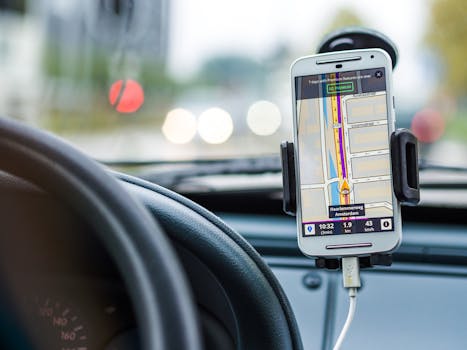

Have you ever found yourself marveling at how quickly your car has transformed from a mere mode of transport into a sophisticated, connected hub? It’s a question that lingers as we encounter ever more complex interfaces, voice assistants, and seamless integration with our digital lives. The journey from a simple radio to the advanced systems we see today is nothing short of remarkable, and understanding the nuances of this evolution is key to truly appreciating what “in car technology” has become.
This isn’t just about better sound systems or GPS anymore. We’re talking about a fundamental shift in how we interact with our vehicles, and consequently, how we experience driving. But with this rapid advancement comes a host of questions: Are we embracing progress or falling prey to distraction? What are the true benefits, and are there hidden costs? Let’s embark on an exploratory dive into the fascinating world of in car technology.
The Connected Cocoon: What Does “Smart” Really Mean?
At its core, modern in car technology aims to enhance safety, convenience, and entertainment. Think about it: navigation systems that predict traffic, infotainment screens that mirror your smartphone, and voice commands that can adjust climate control or even send a text message. These aren’t futuristic fantasies; they are rapidly becoming standard features.
The “connected” aspect is particularly significant. Vehicles are increasingly equipped with cellular or Wi-Fi connectivity, allowing them to communicate with the outside world. This opens doors to over-the-air software updates, remote diagnostics, and even vehicle-to-everything (V2X) communication, which promises to revolutionize road safety by allowing cars to “talk” to each other and to infrastructure. It’s an exciting prospect, isn’t it?
Beyond the Buzz: Unpacking the Real Benefits
While the sheer array of features can sometimes feel overwhelming, the advantages of advanced in car technology are undeniable. Let’s consider a few:
Enhanced Safety: Features like blind-spot monitoring, adaptive cruise control, lane-keeping assist, and automatic emergency braking are not just gimmicks. They actively work to mitigate risks and reduce the likelihood of accidents. I’ve personally found features like automatic braking to be a reassuring safety net in unexpected situations.
Unprecedented Convenience: Forget fumbling with separate GPS devices or juggling your phone. Integrated navigation with real-time traffic updates and voice control for essential functions streamlines the driving experience. Imagine being able to verbally queue up your favorite podcast or adjust the temperature without taking your eyes off the road.
Infotainment Reimagined: The days of basic radio stations are long gone. Modern systems offer access to streaming music, podcasts, hands-free calling, and even Wi-Fi hotspots. This transforms the car interior into a mobile entertainment and productivity space.
Personalization and Learning: Many advanced systems learn your preferences over time, adapting settings like climate control, seat position, and even driving style to your habits. This creates a more intuitive and comfortable ownership experience.
The Double-Edged Sword: Potential Downsides to Consider
However, every technological leap comes with its own set of challenges. It’s crucial to maintain a critical perspective when evaluating these advancements.
Distraction Dilemma: The more screens and functions a car has, the greater the potential for driver distraction. While many systems are designed with safety in mind, the temptation to interact with non-essential features can be strong. Are we inadvertently creating more hazards in our pursuit of convenience?
Complexity and Cost: Advanced systems can be incredibly complex, leading to steep learning curves for some users. Furthermore, the integration and maintenance of this technology can significantly increase the purchase price and potential repair costs of a vehicle.
Data Privacy Concerns: As cars become more connected, they generate vast amounts of data about our driving habits, locations, and preferences. Understanding who owns this data and how it’s being used is becoming increasingly important.
Obsolescence: Technology evolves at an astonishing pace. What seems cutting-edge today could be outdated in just a few years, potentially diminishing the resale value of a vehicle or requiring costly upgrades.
The Future on Four Wheels: What’s Next for In Car Technology?
The trajectory of in car technology points towards even greater integration and autonomy. We’re already seeing the early stages of advanced driver-assistance systems (ADAS) that pave the way for fully autonomous vehicles.
Imagine a future where your car can:
Navigate complex urban environments with minimal or no human intervention.
Communicate seamlessly with smart city infrastructure to optimize traffic flow and parking.
Offer personalized wellness features, monitoring your stress levels and suggesting breaks.
Become an extension of your smart home, allowing remote control of appliances before you even arrive.
This is not science fiction; these are active areas of research and development. The potential for in car technology to reshape our lives, and our relationship with our vehicles, is immense.
Wrapping Up: Driving Towards a Smarter Tomorrow
In car technology has undeniably transformed the automotive experience. It offers compelling benefits in safety, convenience, and connectivity, making our journeys more enjoyable and efficient. Yet, it’s vital to approach these advancements with a discerning eye, acknowledging the potential for distraction, complexity, and privacy concerns.
As we continue to witness innovation at an accelerated pace, the conversation about in car technology should remain one of critical inquiry and informed decision-making. The future promises a more integrated, intelligent, and perhaps even more autonomous driving experience. The question that remains is how we will navigate this evolving landscape, ensuring that technology serves us, rather than the other way around. What are your thoughts on the most impactful in car technology you’ve encountered?